The Ultimate Guide to Crochet Hooks: Finding the Perfect Tool for Every Project
Crochet hooks are the unsung heroes of the crafting world. While yarn tends to steal the spotlight, the right crochet hook can make or break your project.
From the feel in your hand to the way it glides through the yarn, choosing the right hook is crucial for a smooth and enjoyable crochet experience.
Whether you're new to crochet or a seasoned pro, understanding the nuances of hooks will help you create your best work.
Let’s get into the nitty-gritty of crochet hooks and find your perfect match.
You will need




The Ultimate Guide to Crochet Hooks
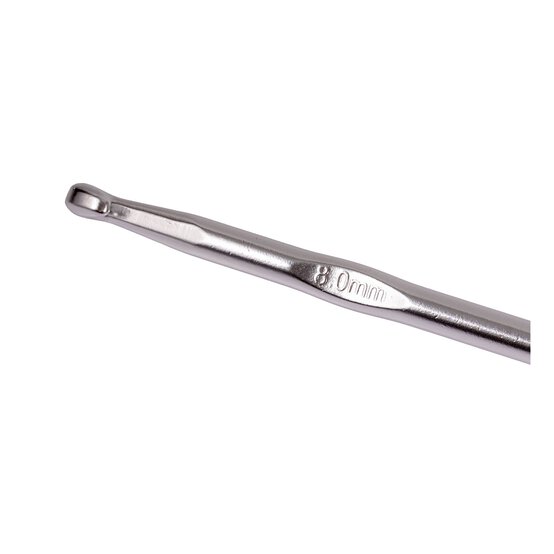
Before diving into types and materials, it’s helpful to understand the basic parts of a crochet hook:
Hook (Tip): The part that grabs and pulls the yarn through loops. It can be pointed, rounded, or somewhere in between.
Throat: The area just below the hook that helps control tension. There are two types: inline (straight) and tapered (slightly sloped).
Shaft: This determines the size of your stitches and is where most of your loops sit.
Grip/Handle: The part you hold. Some hooks have ergonomic handles for extra comfort, while others are plain and simple.
Thumb Rest: A flattened area that provides extra control and comfort. Not all hooks have one, but it’s common in standard designs.
Crochet hooks come in a variety of materials, each with its own feel and benefits:
Aluminium: Lightweight, durable, and smooth, aluminium hooks are perfect for quick projects and slippery yarns. They’re a popular choice for beginners and experienced crafters alike.
Steel: Steel hooks are typically used for fine thread work, like lace and doilies. They’re small, strong, and precise.
Wooden: Warm to the touch and lightweight, wooden hooks (like bamboo) offer a bit more grip, which is ideal for beginners or those working with slippery yarns. They’re also eco-friendly and often beautifully crafted.
Plastic: Affordable and colourful, plastic hooks are lightweight and come in larger sizes for chunky yarns. However, they may not glide as smoothly as metal or wood.
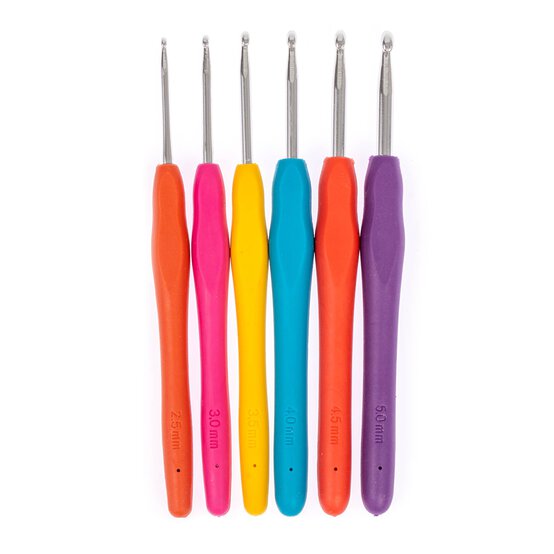
Ergonomic: These hooks have specially designed handles, often made of rubber or silicone, to reduce hand fatigue. They’re a game-changer for those with arthritis or anyone planning long crochet sessions.
One of the biggest debates in the crochet world is whether inline or tapered hooks are better. It all comes down to personal preference:
Inline Hooks: These have a straight throat and a deeper, more defined hook. They’re great for achieving even tension and precise stitches, making them ideal for beginners.
Tapered Hooks: Tapered hooks have a more rounded, sloping throat and a smoother transition from shaft to hook. They allow for faster, more fluid stitching. If you’re unsure which you prefer, try both and see which feels more natural.
Crochet hooks come in various sizes, and selecting the right one is essential for working with your yarn and project. In the UK, sizes are typically measured in millimetres:
Worsted Weight Yarn Hooks: If you’re just starting out, you’ll likely be using worsted weight yarn. The H-8 (5mm) hook is the most commonly recommended size for this versatile yarn. It’s a great starting point for beginners and works well for many standard projects.
Fingering Weight Yarn Hooks: For finer projects, fingering weight yarn is a popular choice. This lighter yarn pairs beautifully with a D-3 (3.25mm) hook, allowing for delicate stitches and intricate details. Perfect for when you’re ready to refine your crochet skills.
Jumbo Yarn Hooks: For extreme crochet projects using jumbo yarn, strips of fabric, or rope, you’ll need an S-35 (19mm) hook. While less common, this oversized hook is ideal for creating bold, chunky designs. A variety of other bulky hook sizes are also available for slightly smaller-scale projects.
Always check your pattern for the recommended hook size, but don’t hesitate to experiment to achieve the perfect tension and drape
Crocheting should be enjoyable, not a strain on your hands. If you find yourself crocheting for hours on end—or experiencing discomfort—consider an ergonomic hook:
Soft-Grip Handles: Hooks with rubber or silicone handles provide extra comfort and reduce hand fatigue. They’re ideal for those with arthritis or repetitive strain injuries.
Chunky Handles: Some hooks have thicker handles that are easier to grip, making them a good choice for those with mobility issues.
Lightweight Materials: Wooden and plastic hooks are generally lighter than metal, which can make a difference during long sessions.
Sometimes, a standard hook just won’t do. Here are a few specialty hooks to consider:
Tunisian Crochet Hooks: These are longer than regular hooks and often have a stopper at the end, similar to a knitting needle. They’re used for Tunisian crochet, which creates a hybrid knit-crochet fabric.
Double-Ended Hooks: These have a hook on each end and are used for certain types of crochet, like double-ended Tunisian crochet.
Light-Up Hooks: Perfect for dark yarns or late-night crafting, these hooks have LED lights in the tip to illuminate your work.
Cable Hooks: These have flexible cables attached, allowing for larger Tunisian crochet projects or unique techniques.
Taking care of your crochet hooks ensures they last for years to come:
Wooden Hooks: Keep them clean and occasionally treat them with a natural oil or wax to maintain their smooth finish.
Metal Hooks: Wipe them down with a soft cloth after use to prevent tarnishing.
Plastic Hooks: Store them flat to avoid warping, especially in warm environments.
The best hook for a project often depends on the yarn and the look you’re trying to achieve. Here are a few suggestions:
Lace and Fine Threads: Use a small steel or aluminium hook for precision and smooth stitches.
Wool and Standard Yarns: A mid-sized hook (4-6mm) in aluminium or wood works well for most garments and accessories.
Chunky Yarns: Opt for a large plastic or wooden hook to handle the bulk and keep your stitches even.
Crochet hooks may seem simple, but finding the right one can transform your crafting experience. Whether you prefer the smooth glide of metal, the warmth of wood, or the comfort of an ergonomic grip, there’s a hook out there for every crochet project and preference.
Don’t be afraid to experiment with different types, materials, and sizes until you find the one that feels just right. After all, crafting should be as enjoyable as the finished product. Happy crocheting!


