The Best Canvases for Artists
Choosing the right canvas is essential for any artist, shaping both the painting process and final result. Whether you prefer fine details or bold textures, different canvases suit different techniques. This guide breaks down key factors like material, priming, and texture to help you find the perfect surface for your artistic style.
You will need


Linen vs. Cotton: A Classic Comparison
Choosing the right canvas is a crucial decision for any artist, as it directly influences the painting experience and final outcome. Different canvases cater to different techniques—some surfaces are better suited for fine detail, while others support expressive, textured strokes. Whether you’re a beginner experimenting with new materials or a seasoned artist refining your craft, selecting the appropriate canvas can enhance your creative process.
From the choice between linen and cotton to the decision to prime or leave raw, each aspect of a canvas affects the way paint behaves on its surface. In this guide, we’ll explore the key factors to consider when choosing a canvas, helping you find the best fit for your artistic vision.
The debate between linen and cotton canvases has been long standing in the art community. Each has distinct advantages and drawbacks, making the choice largely dependent on the project, budget, and preferred painting style.
|
Feature |
Linen Canvas |
Cotton Canvas |
|
Texture |
Tightly woven, smoother surface |
Slightly looser weave, more texture |
|
Durability |
Highly durable, resists warping and sagging |
Less durable over time but remains reliable with proper care |
|
Best for |
Fine detail, professional work, longevity |
Versatility, affordability, and experimentation |
|
Price |
Expensive |
More budget-friendly |
Linen Canvases
Linen is known for its premium quality and is often the canvas of choice for professional artists and high-value pieces. The tightly woven fibers create a smooth, stable surface that is ideal for detailed work, such as portraiture and realism. Additionally, linen resists warping and sagging, making it a long-lasting investment.
Famous artists such as Rembrandt and Vermeer were known to work on linen canvases, taking advantage of its durability and fine texture. Today, it remains a favourite for oil painters who want a refined, professional-grade surface.
Cotton Canvases
Cotton canvases are widely used due to their affordability and accessibility. The slightly more textured surface adds character, making them excellent for a range of techniques, including abstract painting and expressive brushwork. While cotton can stretch and lose shape over time, proper framing and care help maintain its integrity.
Many contemporary artists working in acrylics and mixed media prefer cotton due to its adaptability. It's an ideal choice for students, hobbyists, and artists exploring new styles without committing to the higher cost of linen.
Pre-Stretched vs. Self-Stretched Canvases
When selecting a canvas, another key decision is whether to buy a pre-stretched canvas or stretch your own. Each option has its advantages, depending on your artistic needs and level of control over the final surface.
Pre-Stretched Canvases: Convenience and Readiness
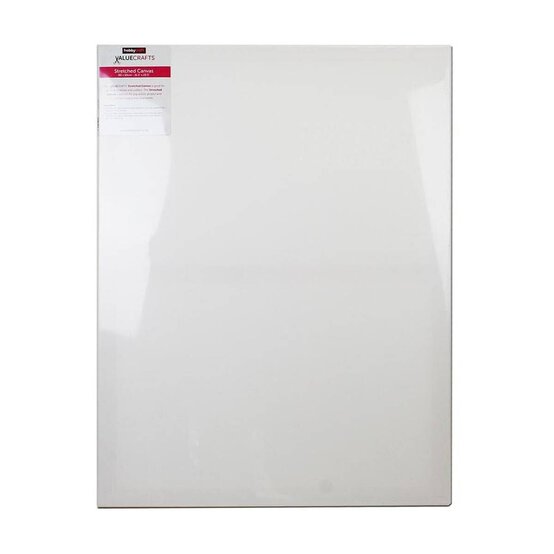
Pre-stretched canvases are the most commonly used among artists of all levels. Sold in a variety of sizes and pre-primed with gesso, they are ready to use straight from the shop, making them perfect for quick projects or artists who want to focus solely on painting.
Best for:
- Artists who want to save time on preparation
- Beginners or those experimenting with different mediums
- Small to medium-sized artworks that don’t require custom dimensions
However, pre-stretched canvases do have limitations. The quality can vary, and cheaper options may have looser fabric or less durable wooden frames. Additionally, pre-set sizes may not suit every artist’s needs.
Self-Stretched Canvases: Customisation and Craftsmanship
For those who prefer greater control over their materials, stretching your own canvas can be a rewarding process. It allows you to select the exact type of fabric, frame size, and tension, ensuring a surface tailored to your style.
Best for:
- Artists who want control over canvas size, texture, and tension
- Those working on large-scale or unconventional pieces
- Painters who value craftsmanship and longevity in their materials
How to Stretch Your Own Canvas
If you're interested in stretching your own canvas, here’s a simple step-by-step guide:
Materials Needed:
- Wooden stretcher bars (pre-made or custom-cut)
- Canvas fabric (linen or cotton)
- Staple gun and staples
- Canvas pliers (for gripping and tightening the fabric)
- Scissors
- Gesso (if priming the canvas)
Step-by-Step Process:
- Assemble the Frame – Slot the stretcher bars together and ensure they are square before securing.
- Cut the Canvas – Lay the fabric on a flat surface and cut it so there is about 2–3 inches of excess around the frame.
- Staple One Side – Begin stapling the canvas to the back of the frame along one side, starting at the centre and working outward.
- Stretch and Staple Opposite Side – Using canvas pliers, pull the fabric tight before stapling the opposite side.
- Repeat for Remaining Sides – Alternate between opposite sides to maintain even tension.
- Secure Corners – Fold and staple the corners neatly to ensure a professional finish.
- Prime the Canvas – If using raw canvas, apply gesso in thin layers, allowing each layer to dry before adding another.
This method ensures a taut and durable surface that won’t warp over time.
Canvas Panels: Compact and Practical
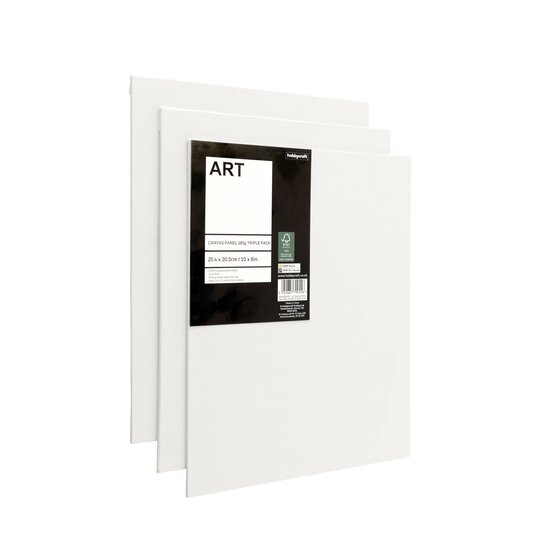
Canvas panels are a great alternative to traditional stretched canvases. These panels consist of canvas fabric adhered to a rigid board, offering a sturdy surface with a more compact and portable format.
Why Choose Canvas Panels?
Unlike stretched canvases, which have a slight bounce due to their frame, panels provide a firm painting surface. This makes them ideal for certain techniques that require stability, such as:
- Plein air painting – Lightweight and easy to transport, canvas panels are perfect for outdoor artists who need a durable yet portable option.
- Detailed work – The firm surface allows for fine lines and precise brushwork, making them ideal for miniature paintings or intricate designs.
- Underpainting and studies – Many artists use canvas panels for practice pieces, sketches, or preparatory studies before committing to a full-scale painting.
- Mixed media applications – Their rigid nature makes them suitable for collaging, heavy layering, or scraping techniques without the risk of sagging.
Potential Drawbacks
While canvas panels are practical, they do have limitations. Unlike stretched canvases, they lack the ‘give’ that some painters rely on for smooth blending and expressive brushwork. Additionally, they may warp over time if exposed to humidity, so proper framing or sealing is recommended for long-term preservation.
Many professional artists keep a stock of canvas panels alongside stretched canvases, using them strategically based on the project at hand. If you’re looking for an affordable, space-saving option for studies or small-scale works, they are well worth considering.
Texture: Smooth or Textured?
The texture of a canvas, often referred to as its "tooth," plays a significant role in how paint behaves on its surface. The choice between a smooth or textured canvas depends on your painting style and the techniques you use.
Smooth Canvases: Precision and Detail
A finely woven canvas provides a sleek surface, allowing for controlled, delicate brushstrokes. This type of canvas is best suited for techniques that require smooth colour transitions and precision.
Best for:
- Portraits and realism – The lack of texture allows for detailed rendering of facial features and lifelike shading.
- Glazing techniques – Multiple thin layers of transparent paint can be smoothly applied without interference from the canvas texture.
- Airbrushing – Paint flows evenly without catching on the weave, creating a flawless finish.
Textured Canvases: Depth and Expression
Rougher canvases with a pronounced tooth enhance expressive styles and bold applications of paint. These surfaces provide grip for thick, impasto techniques and can add depth to a painting.
Best for:
- Impasto painting – Thick layers of paint hold well and create striking three-dimensional effects.
- Palette knife work – The texture interacts dynamically with the knife, enhancing the energy of the strokes.
- Dry brush techniques – The raised weave allows for broken, textured marks that add depth and dimension.
Finding the Right Balance
Some artists prefer a mid-texture canvas, which offers enough tooth to hold paint but remains smooth enough for detailed work. Experimenting with different textures will help you determine what best suits your style.
If you’re unsure where to start, many art suppliers offer sample packs containing a variety of canvas textures, allowing you to test different surfaces before committing to a full-sized canvas.
Primed vs. Raw Canvases
Most canvases available in stores come pre-primed with gesso, providing a ready-to-paint surface. However, some artists prefer working with raw, unprimed canvas for a more customised approach. Understanding the difference between these options can help you decide which best suits your artistic needs.
Primed Canvases: A Prepared Surface
Priming a canvas involves applying a preparatory layer—usually acrylic gesso—to seal and protect the fabric while providing a stable surface for paint. Pre-primed canvases are convenient because they prevent paint from soaking into the fibres, ensuring vibrant colours and smoother application.
Benefits of primed canvases:
- Prevents paint absorption, keeping colours bright and bold
- Provides a consistent surface for controlled brushwork
- Protects the canvas, improving longevity
Most store-bought canvases are primed with acrylic gesso, which works well for both acrylic and oil paints. Popular brands available at Hobbycraft include Pebeo, Daler-Rowney, and Liquitex, all known for their high-quality gesso.
Raw Canvases: A Unique Creative Choice
Raw, unprimed canvas absorbs paint differently, creating soft, muted effects and a more organic feel. This approach is often used by experimental artists looking to achieve distinctive textures or fluid, stain-like washes.
Best for:
- Watercolour-like effects with diluted acrylics or oils
- Earthy, natural-looking tones with reduced colour saturation
- Custom priming for unique textures and absorption levels
If you choose to work with raw canvas, you can prime it yourself to control the texture. Applying multiple layers of gesso allows you to create a surface tailored to your painting style—smoother for fine detail or rougher for expressive work.
How to Prime Your Own Canvas
If you buy raw canvas or stretch your own, here’s how to prime it effectively:
- Secure the Canvas – If unmounted, stretch the canvas over a frame or tape it to a flat board.
- Apply the First Layer – Using a large brush or a palette knife, spread an even layer of gesso over the surface.
- Let It Dry – Allow the first coat to dry completely before applying another layer.
- Sand for Smoothness (Optional) – For an ultra-smooth finish, lightly sand the surface between coats.
- Apply Additional Layers – Two to three coats are standard, but you can add more for extra opacity and texture.
This simple process allows for greater control over how your paint interacts with the surface, making it a valuable skill for artists looking to refine their materials.
Selecting the Right Canvas
The best canvas for your artwork depends on your preferred painting style, materials, and project goals. While some artists may favour a premium linen surface, others might find cotton canvases or canvas panels more suitable for their workflow. To simplify the decision, consider the following factors:
Key Questions to Ask Yourself:
What type of paint will I be using?
- Acrylic or oil paint → Primed canvas (pre-stretched, self-stretched, or panels) is the best choice.
- Mixed media or experimental work → Raw canvas or panels may offer more flexibility.
Do I need fine detail or heavy texture?
- For detailed, precise work → Choose a smooth, tightly woven canvas.
- For expressive, bold strokes → A textured, rough-weave canvas will enhance your technique.
How large is my painting?
- Small to medium works → Pre-stretched canvases and panels are convenient.
- Large-scale or custom sizes → Self-stretching your canvas allows more flexibility.
What’s my budget?
- Affordable and versatile → Cotton canvases are a cost-effective option.
- Long-lasting and high-quality → Linen offers superior durability and professional appeal.
Do I prefer convenience or customisation?
- Pre-stretched canvases → Best for ease of use and quick setups.
- Self-stretched canvases → Ideal for artists who want full control over dimensions and texture.
Quick Canvas Selection Guide
|
Canvas Type |
Best For |
Pros |
Cons |
|
Linen Canvas |
Professional painters, fine detail, longevity |
Strong, durable, resists warping |
Expensive |
|
Cotton Canvas |
Versatile, budget-friendly, all skill levels |
Affordable, widely available |
Less durable over time |
|
Pre-Stretched |
Convenience, ready to use |
No prep needed, variety of sizes |
Fixed sizes, quality varies |
|
Self-Stretched |
Custom sizes, control over texture |
Fully customisable |
Requires time and effort |
|
Canvas Panels |
Studies, plein air painting, mixed media |
Compact, rigid surface, easy storage |
No ‘bounce,’ can warp over time |
|
Raw Canvas |
Experimental techniques, custom priming |
Unique textures and absorption effects |
Requires priming (if not left raw) |
By using this checklist and comparison table, you can select the best canvas for your next project with confidence.
Which Canvas is Best for You?
The world of canvases is vast, offering something for every artist and every style. From the durability of linen to the affordability of cotton, the convenience of pre-stretched options to the customisation of self-stretching, the choice ultimately depends on your artistic goals and preferences.
Try Before You Commit
If you’re unsure which canvas best suits your needs, experimenting with different options can be incredibly insightful. Consider these small-scale projects to test different surfaces:
- Detail vs. Texture Test – Paint the same small subject (e.g. a simple portrait or landscape) on both a smooth linen canvas and a textured cotton canvas to compare how they handle detail and brushwork.
- Canvas Panel Challenge – Try using canvas panels for quick studies, plein air painting, or mixed media work. They’re great for testing colour palettes or compositions before committing to a larger piece.
- Raw vs. Primed Experiment – Use a raw canvas for a fluid, abstract piece and compare it with a primed version to see how the paint absorbs differently. This is particularly useful for artists interested in expressive or unconventional techniques.
- Self-Stretching Practice – If you’re considering self-stretching your canvases, start with a small frame and stretch your own cotton or linen canvas. This will help you learn the process before tackling larger pieces.
Final Thoughts
At its core, a canvas is more than just a surface—it’s the foundation of your creative expression. The right canvas should enhance, not hinder, your artistic process. Whether you're drawn to the refined quality of linen, the accessibility of cotton, or the practicality of canvas panels, each option presents new opportunities for growth and experimentation.
By testing different canvases and observing how they interact with your painting techniques, you’ll develop a deeper understanding of what works best for your unique artistic style. The journey of discovery is part of what makes art so endlessly rewarding.


